
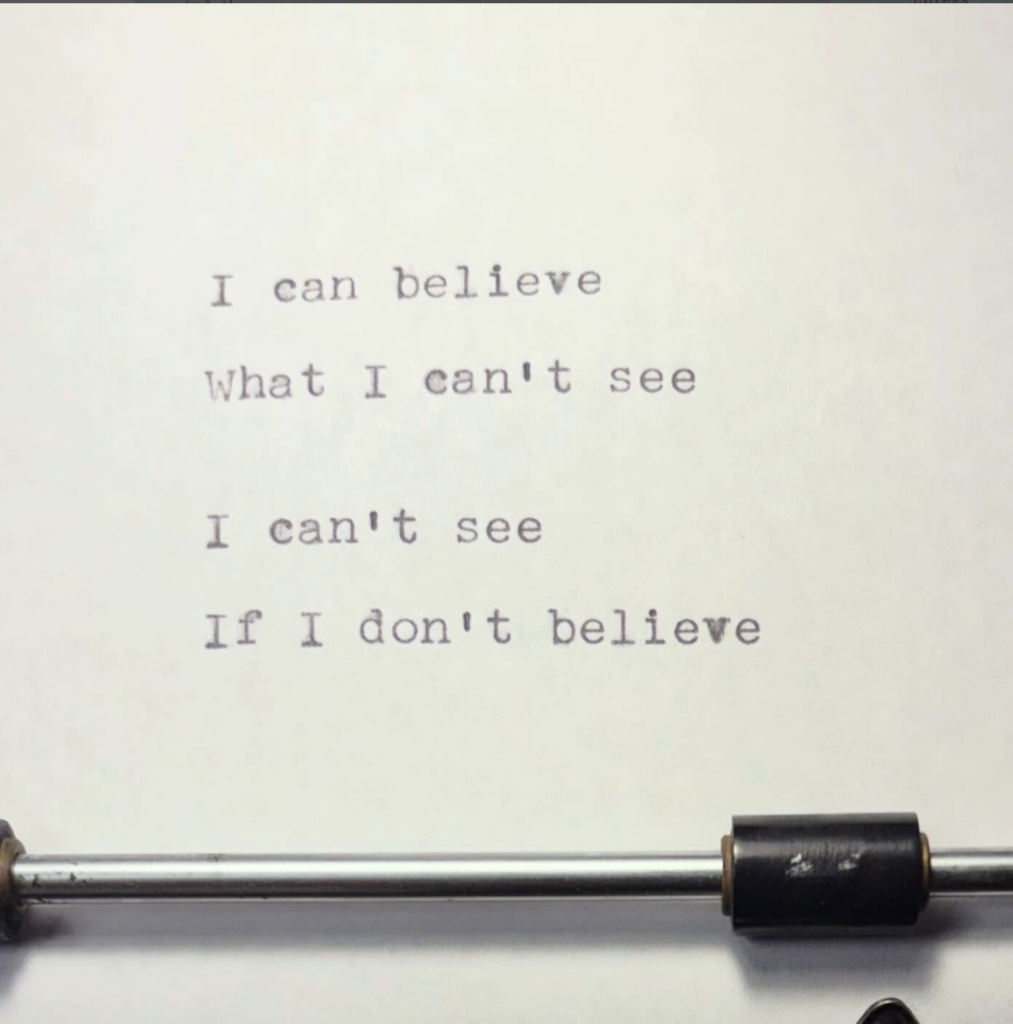
Growth and personal change are very important to me, even as a man in his 60’s. I’m not entirely sure where this drive came from. Keyholder said few men my age are even remotely interested in doing the work of change, so I consider myself fortunate for possessing some impulse to act upon.
I listen to and read a lot about the subject of change. And the data shows that after a certain age somewhere in our late 20’s, our personality patterns have been formed and our body becomes better at making decisions than our mind. For example, I don’t know my front door code by number. To remember it, I recall the pattern my fingers make when I unlock the door. I used to have a car that idled on after I turned the key off, so my dad taught me to leave the car in gear before turning off the engine, then put the transmission in park. I had that car when I was 16 through 18, yet I still occasionally do the same motion many years later with my 2013 pickup.
Old habits are hard to break, but they aren’t impossible to break. Scientific research on the brain and the role of neuroplasticity is encouraging for an old guy like me. Neuroplasticity is the brain’s ability, even in old age, to continue to form and wire new neural pathways if given the chance to. If the brain is allowed to think new thoughts that lead to new beliefs, these beliefs will lead the way to a brand new way of being.
When I became a widower, I was faced with an opportunity to make some sweeping changes in my personal life. I immediately changed the side of the bed I slept on, but it took a few weeks to realize my waking orientation and walk towards the door and not run into the closet. I changed my clothing style. I changed the decor of the house. I changed my diet. I even changed the direction of the toilet paper and brand of toothpaste I used.
But all these were cosmetic changes and easy to adopt. They didn’t cost me anything. They were changes I was waiting to make once I had the chance.
But it didn’t take long for me to learn there was a different kind of change I needed to make. This was the deep seated way of being and doing that was going to take a new approach. This is the change Keyholder was talking about. This is the change to which many people say, “No, thank you. I’m fine the way I am.”
Let’s call it the Change of Identity.
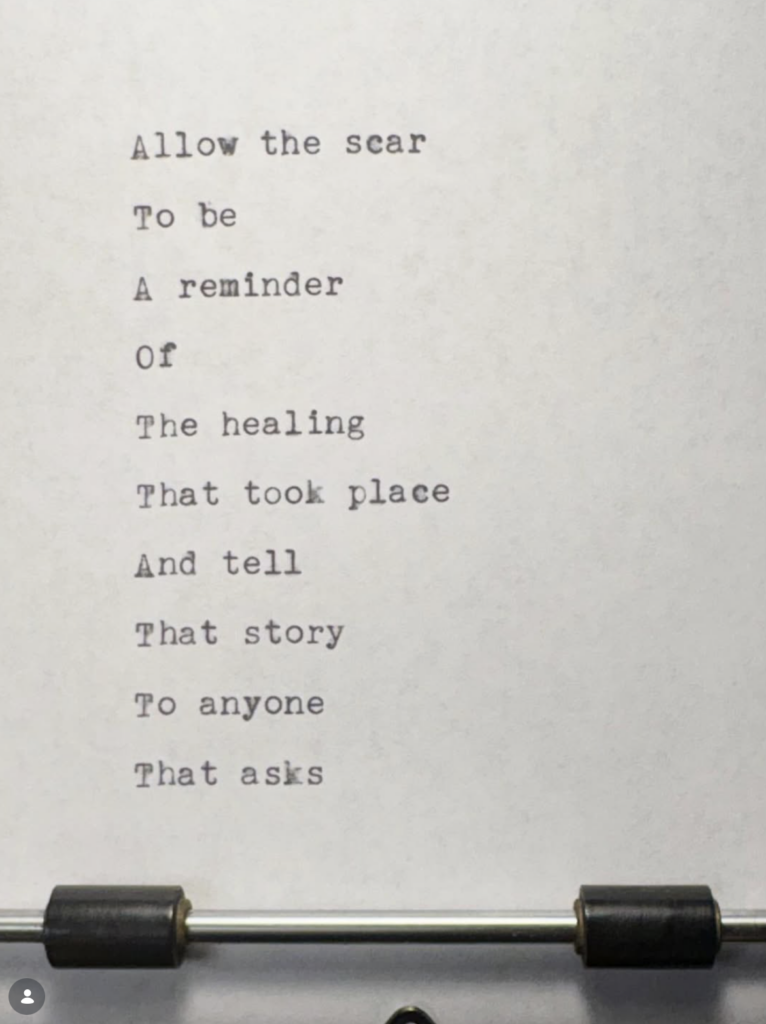
Identity is who I believe I am, not who I wish I was or who I think people want me to be. Identity is me, by myself, in the dark, with no clothes on. It’s the truest sense of myself, even though that sense may not be based in Truth. It may feel true, but that thought may be farthest from Truth.
Change of Identity is where the real work begins.
Do I believe I have worth and value? Do I believe I can love and am worthy of love? Do I believe I am patient and kind? Do I believe I can be joyful? Do I believe I can live a life of peaceful grace and mercy to others?
If I said no to any of these, the Work of Change awaits.
To change my identity, I must be willing and ready to move mountains. I might have to change the years and years of reinforcement against who I really am because I had learned how to survive in a world that tried to tell me to be quiet and just fit in. There might be trauma I need to reconcile, or abuse to contend with. All can be addressed and healed and ultimately, can be changed.
And when I choose to change, what changes?
At the risk of sounding simplistic:
Everything.
Everything starts here, internally with me, regardless of what my world around me dictates. Whoever penned the quote, “Be the change you want to see in the world” understood Identity. I don’t have the luxury of waiting for someone else to lead me to where I want to go. I must go first.
And I get to watch the dominoes fall when I push the first one forward.
Thanks for reading.