When I was in graduate school, I took a summer reading class focusing on ancient spiritual, contemplative and mystical writings. We had to choose five from a list of “monk books.” I called them that because many were centuries old and some so difficult to absorb, it took the patience of a monk to read them. They were considered classics, and it was believed that every good seminarian should have a few under the belt and know how to be conversate make a presentation with them.
The common joke at the end of each class was a statement, “Your presentation must have been good since Shinn stayed awake for all of it.”
The joke always stung, but I wasn’t sure why.
In 2012, I was diagnosed with severe sleep apnea. The results of my sleep study showed that I had an average of 39 episodes an hour. This means for every 60 minutes, 39 of them would be disrupted. This meant I wasn’t sleeping through the night fully. Even if I got the expected 8 hours, I was disrupted 312 times.
No wonder I fell asleep in class. No wonder I nodded off at stoplights. No wonder I always needed a nap, even after a full night’s sleep. I only wish I had discovered it earlier.
Sleep disorders are easily misunderstood. They can be labeled as laziness by those who can’t identify. If you’re tired during the day, it must be because you stay up too late or aren’t disciplined enough to get to bed on time. But not so with me. Since a young age, I’ve always been a morning person. My regular routine in college was a 10:30pm bedtime and a 6:30pm alarm clock. If I’m getting 8 hours, why am I still so tired?
It makes more sense now.
The key to good health is often hidden underneath the surface of what would appear obvious. The pat answer to fatigue is to get more sleep, and if you can’t sleep, then take a pill or THC or melatonin and eliminate caffeine and you should be OK. Same with anxiety. Anxious behaviour can be treated with an anti-anxiety. Depression treated with an anti-depressant. The answer to high blood pressure is a beta-blocker.
But what do you do when sleep doesn’t help with the fatigue? When pills don’t help the condition. When vacations don’t help reduce stress. Diets don’t affect weight loss. Nothing seems to help. What’s a person to do?
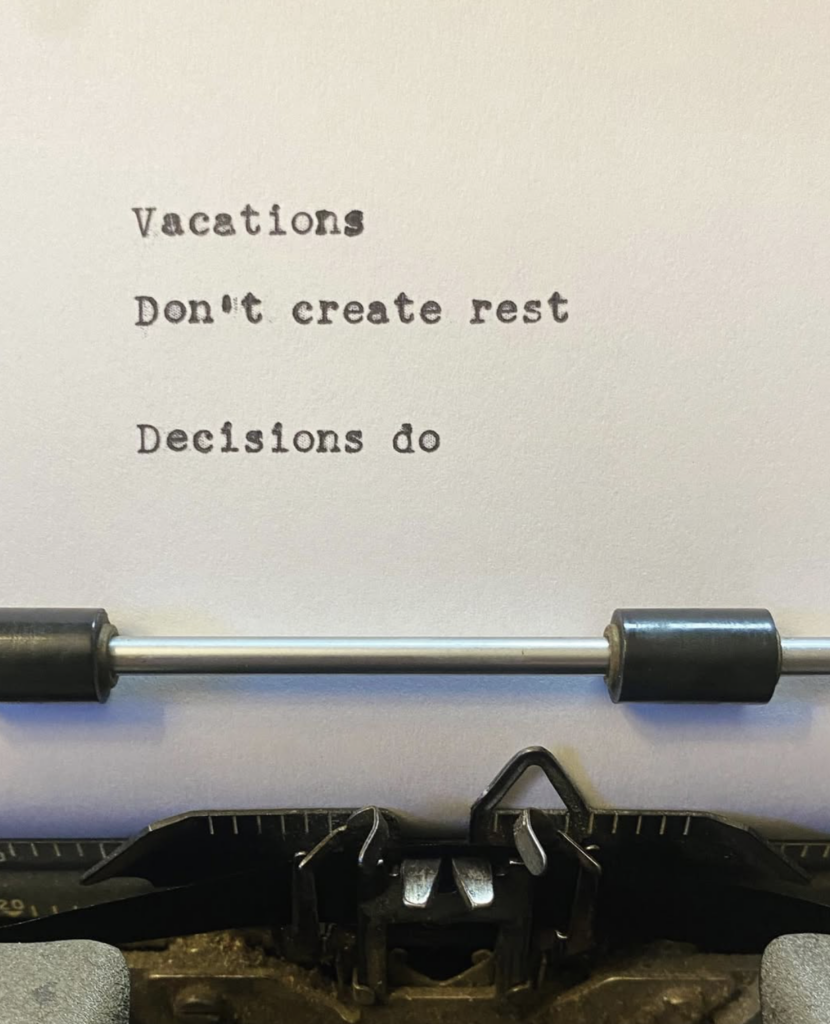
At this point, it’s time to take a look under the hood. A solution isn’t helpful if it doesn’t address the cause.
More sleep is moot when the sleep is constantly disrupted. Once I addressed the disruption, I could go to work on a solution. But in this search, my doctor noted a new problem. It was called “Treatment Induced Apnea.” The very CPAP machine that he prescribed to me for my disorder would also cause new apnea episodes because the steady air pressure would shut down my breathing instead of aiding it. It’s a Catch-22.
The better solution has come from paying attention. Many call this mindfulness or meditation, but I prefer my dad’s verbiage. When I was a little boy and had a question about a complex matter like, “Dad, what’s the Vietnam War?” or “Dad, what’s Watergate.” He would answer simply:
“Son, it’s really hard to explain. You just need to pay attention. You’ll figure it out.”
For a 7 year old boy, that was good enough. And now as a middle aged man, it’s more poignant than ever.
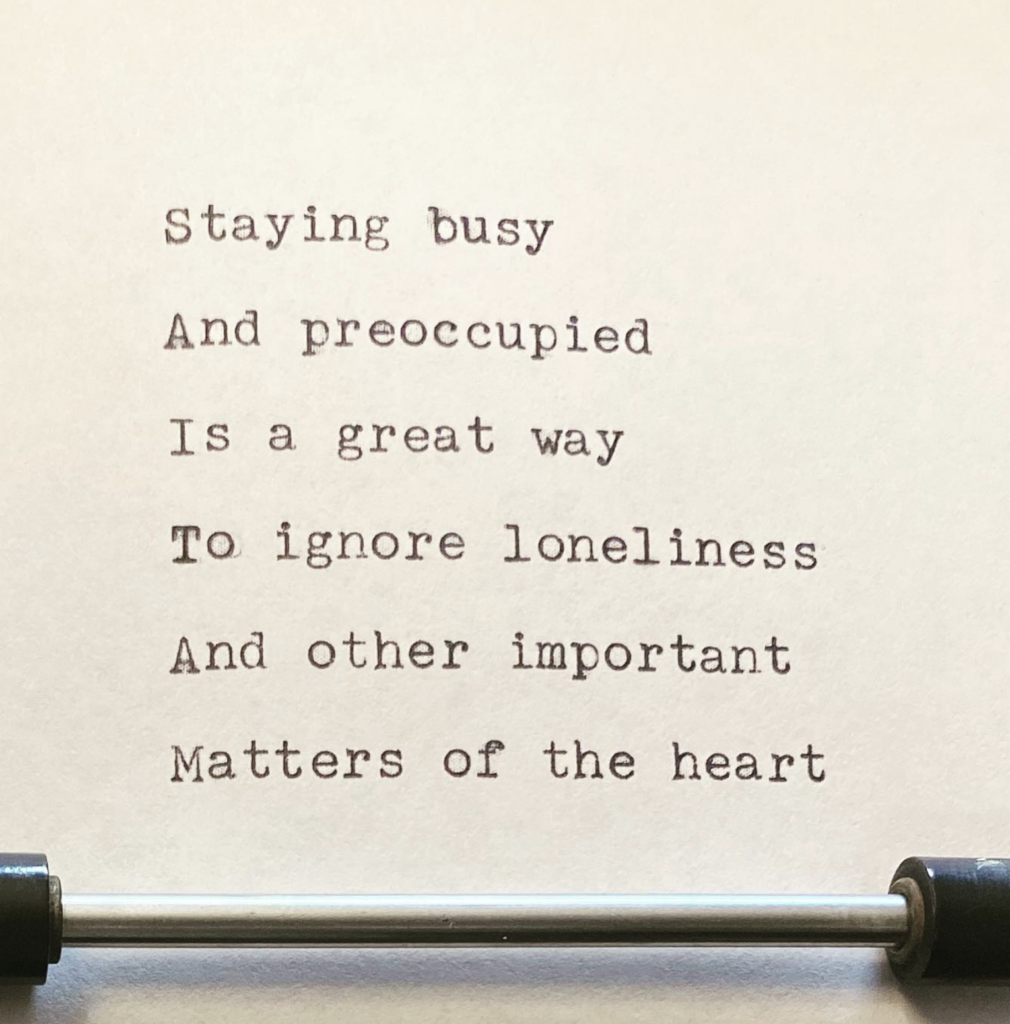
Applying his advice to excessive fatigue or high blood pressure, I slow down and pay attention. What thoughts are going through my head? Am I aware of how tense my body is? Do I have the ability to sit quietly without my phone for longer than 10 minutes? If not, why not? Am I paying attention to my body and what it wants to tell me?
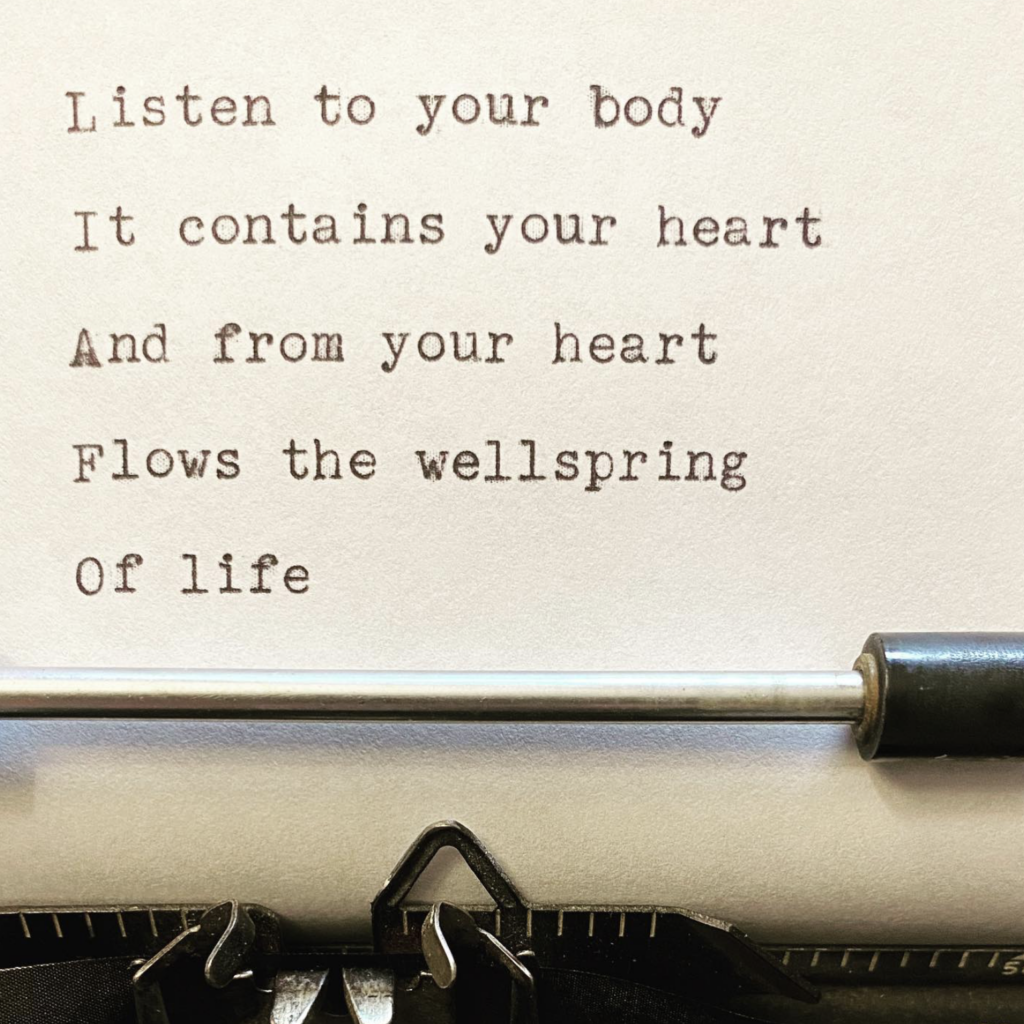
The body doesn’t forget anything and because of this memory skill, it holds the answers to questions that have needed to be asked for years. Asking those questions and paying attention might do far more than a new prescription.
Thanks for reading
KS